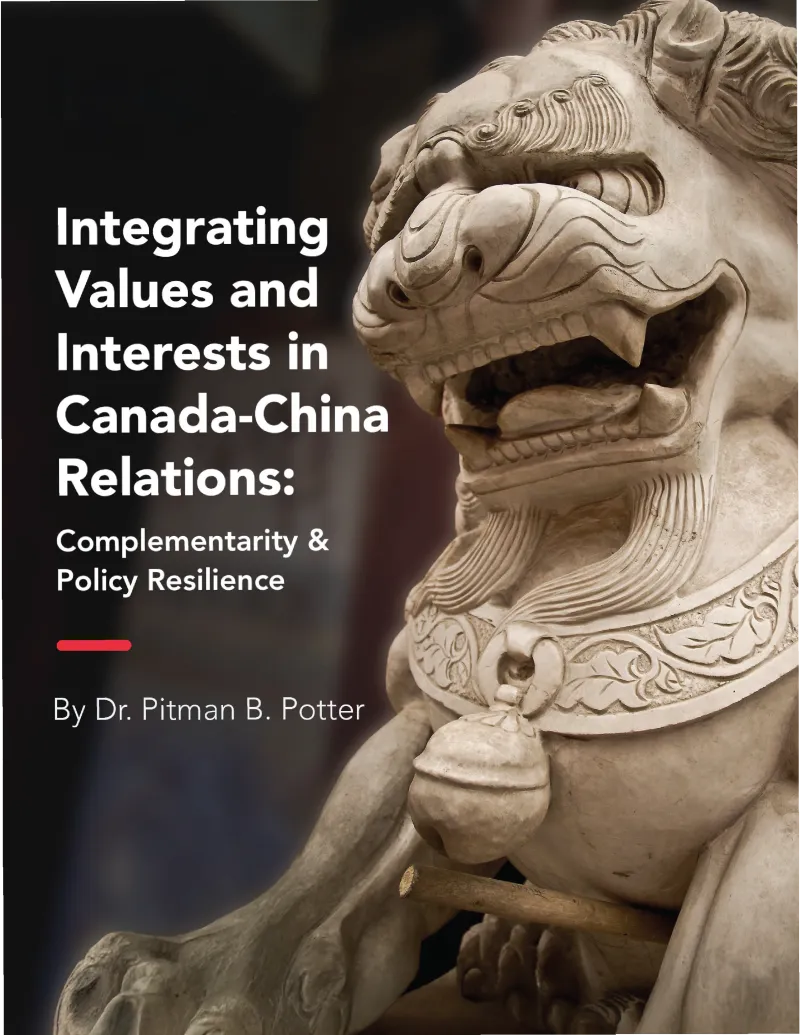
This paper, a special guest contribution from Dr. Pitman B. Potter, CM. FRSC, examines the role of Canadian values and national interests in Canada’s relations with China.
The challenge of honouring Canadian values while also protecting Canadian interests is a matter of key policy importance, which has been brought to light most recently by the final report of Canada’s Foreign Interference Commission and by suggestions from China that Canada deepen its economic ties with the People’s Republic of China (PRC) in the face of threats from Donald Trump’s administration.
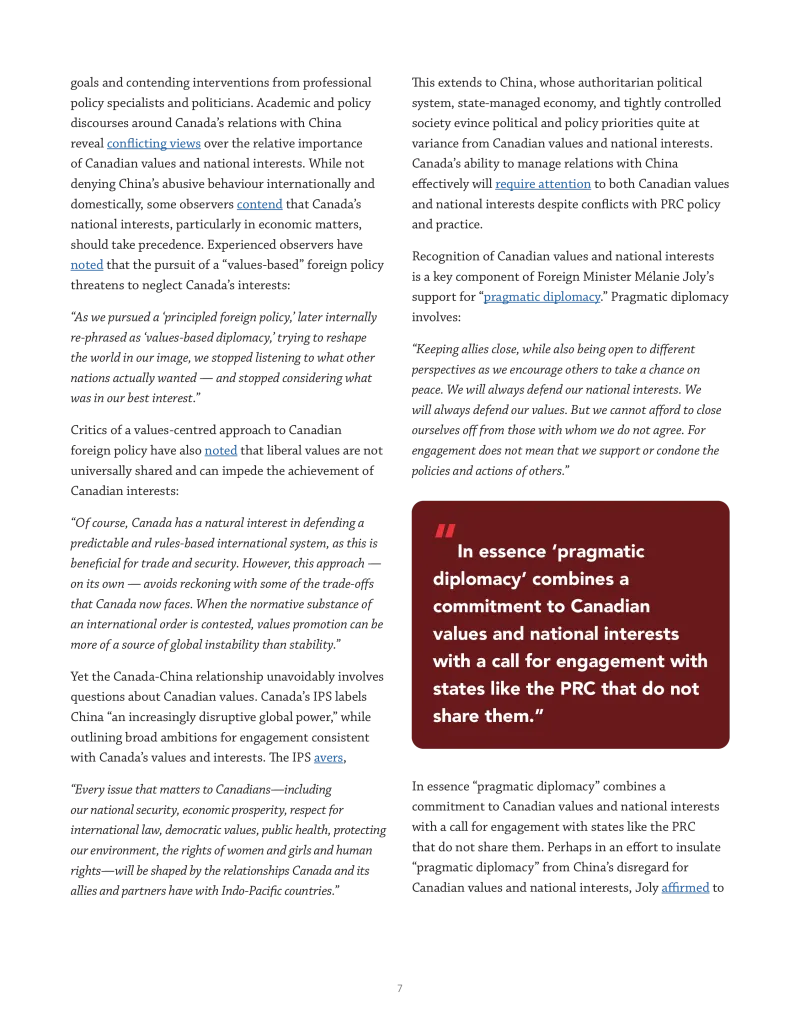
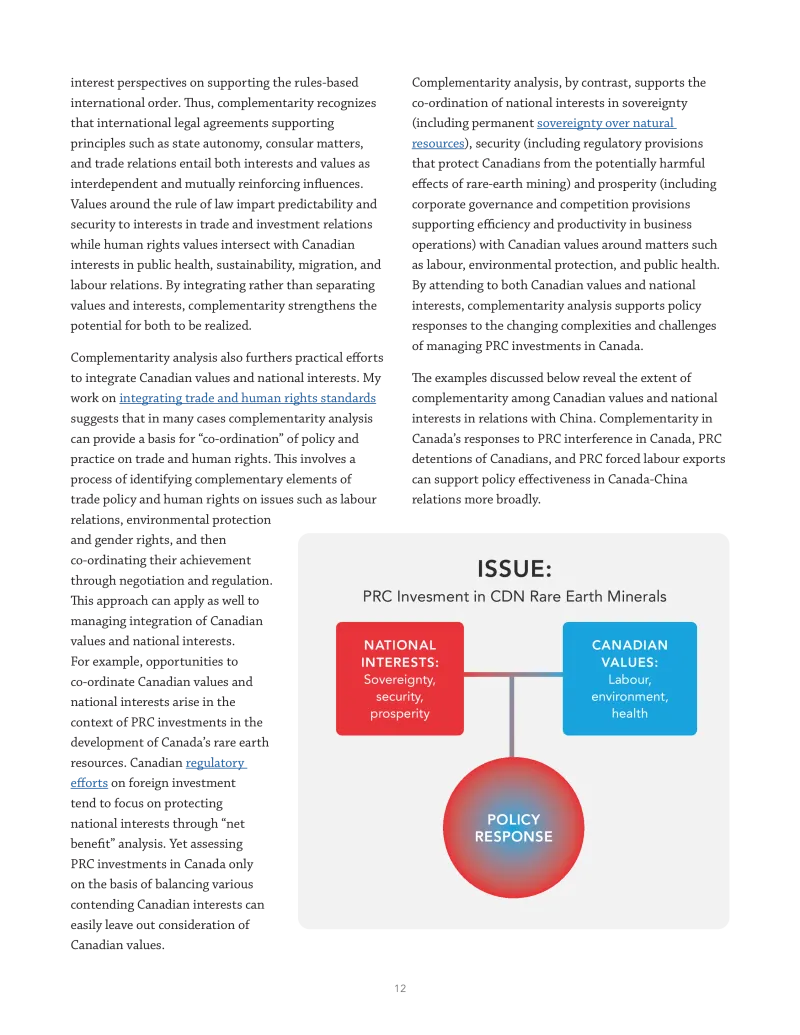
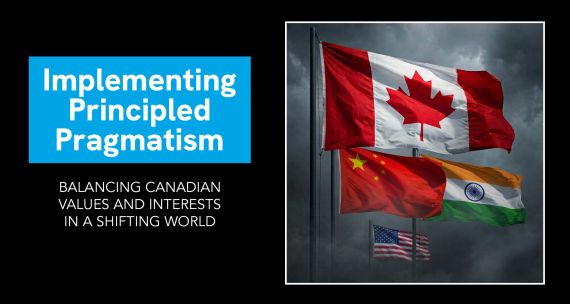
This paper adopts the principle of “complementarity” that looks beyond contradictions and trade-offs among values and interests to focus instead on interdependence and mutual reinforcement. The paper begins with an examination of the policy context for Canada- China relations, where ongoing debates over how to balance the relative priority of values and interests in Canada‑China relations continue to divide analysts and decision-makers.
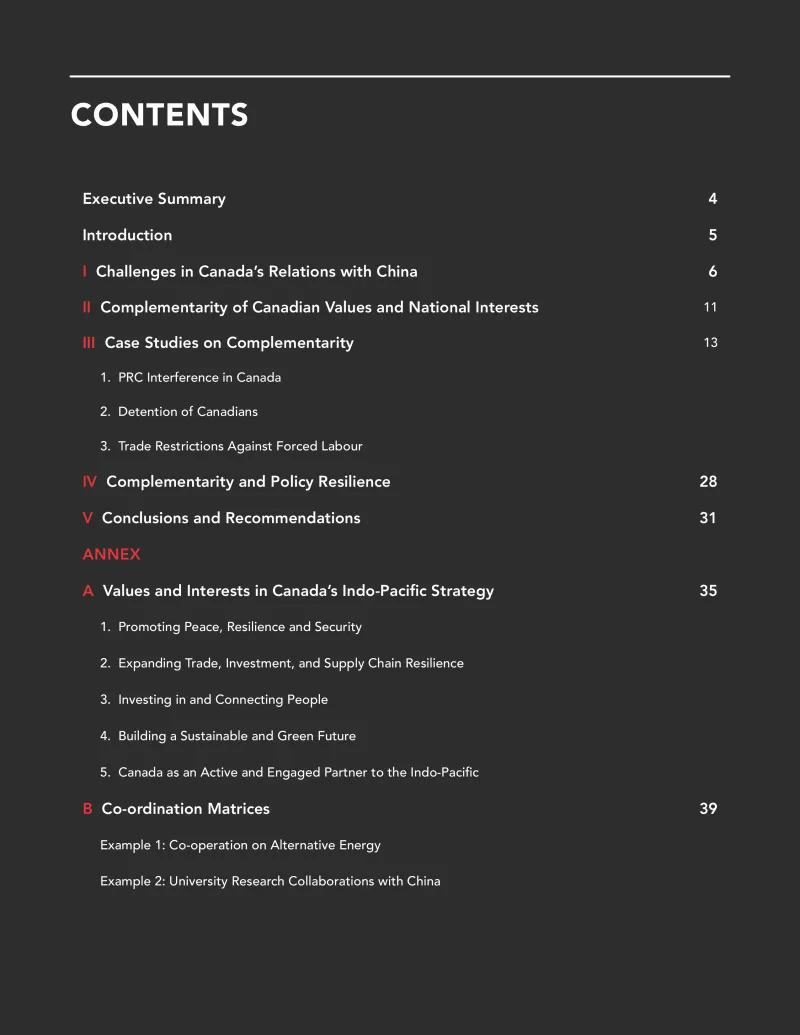
Acknowledging the attention given to Canadian values and national interests in Canada’s Indo‑Pacific Strategy (IPS), the paper offers three case studies, on interference by the PRC in Canada, the detention of Canadians in China, and Canadian restrictions on goods produced with forced labour in China, to illustrate complementarity among Canadian values and national interests. The paper suggests that complementarity analysis can help build policy resilience for pragmatic diplomacy with China in response to current and future challenges.
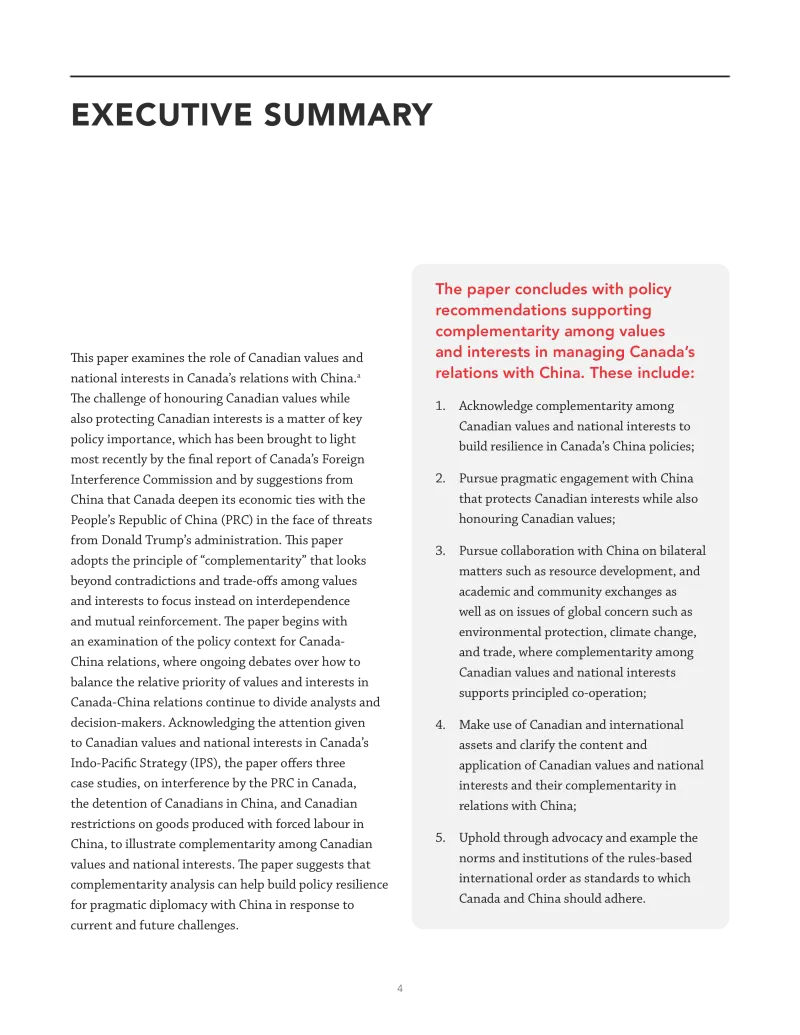
Dr. Potter's paper concludes with policy recommendations supporting complementarity among values and interests in managing Canada’s relations with China. These include:
1. Acknowledge complementarity among Canadian values and national interests to build resilience in Canada’s China policies.
2. Pursue pragmatic engagement with China that protects Canadian interests while also honouring Canadian values.
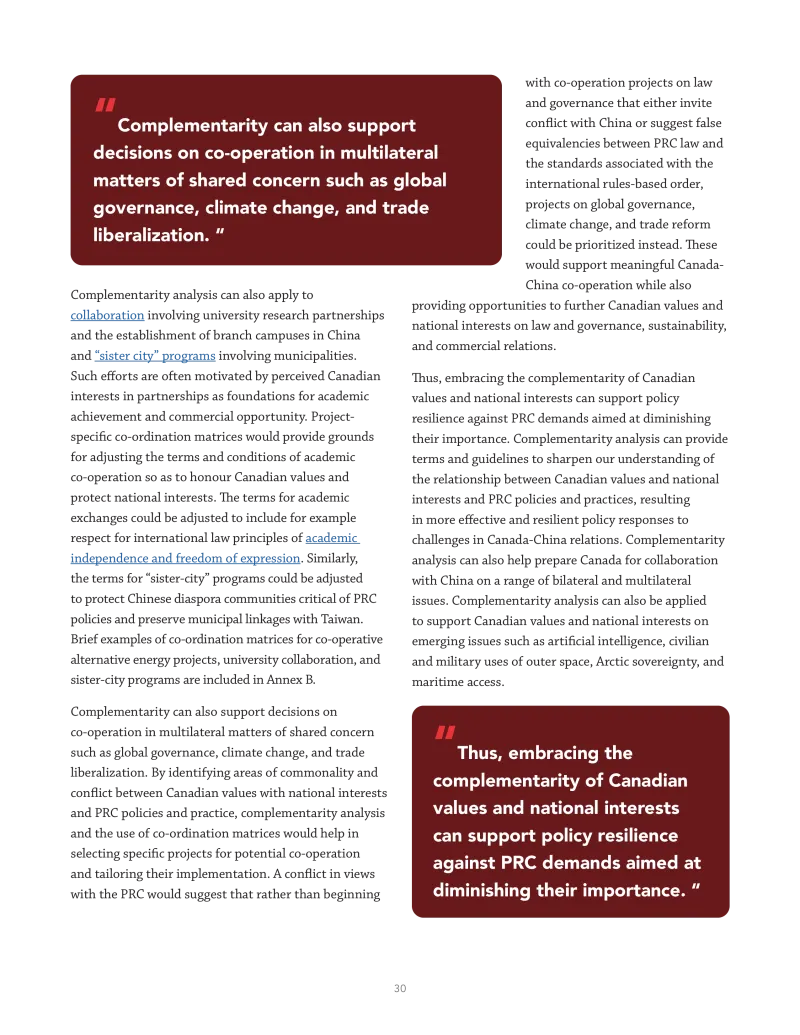
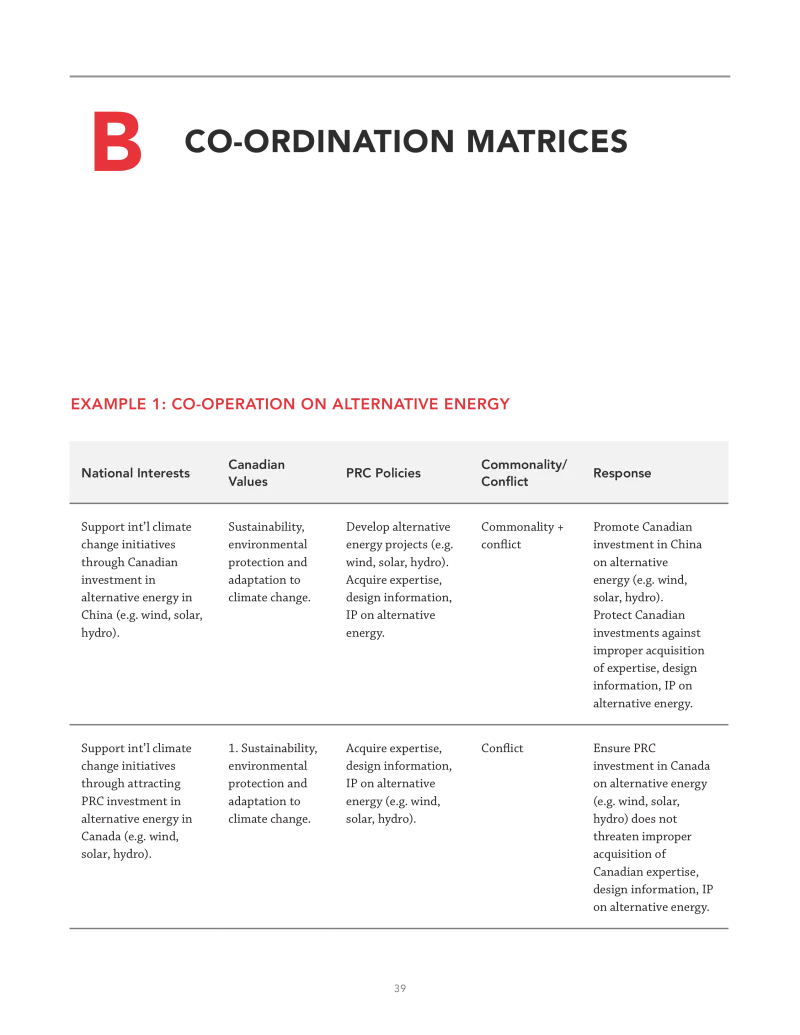
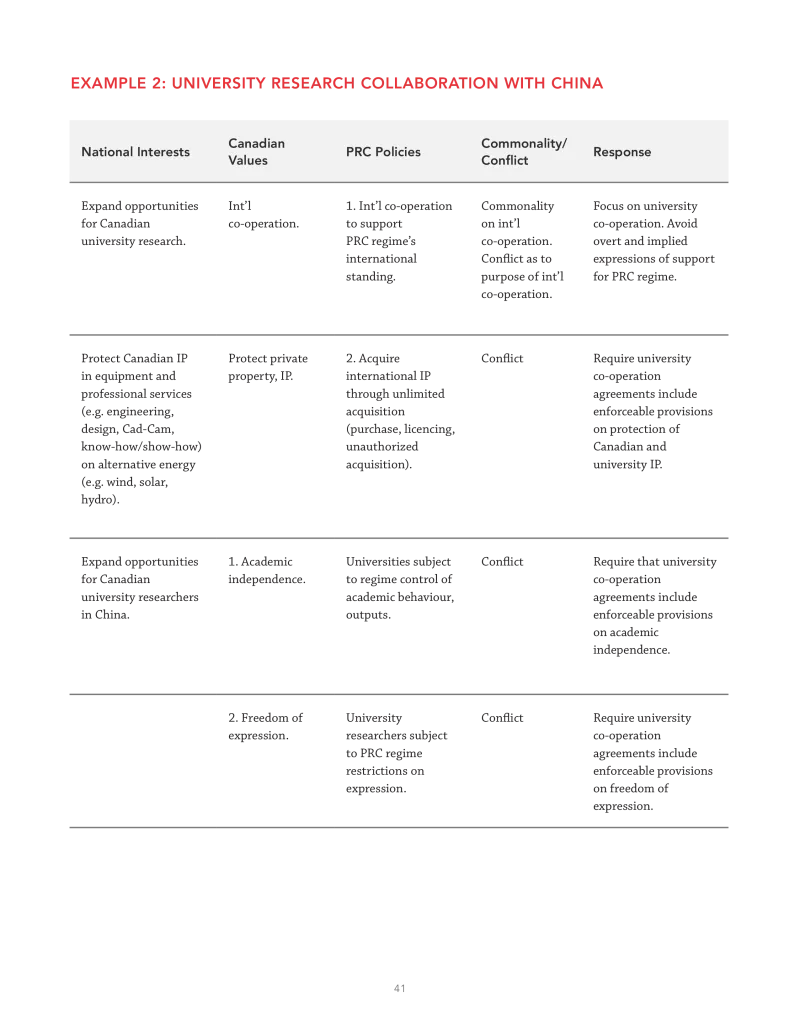
3. Pursue collaboration with China on bilateral matters such as resource development, and academic and community exchanges as well as on issues of global concern such as environmental protection, climate change, and trade, where complementarity among Canadian values and national interests supports principled co-operation.
4. Make use of Canadian and international assets and clarify the content and application of Canadian values and national interests and their complementarity in relations with China.
5. Uphold through advocacy and example the norms and institutions of the rules-based international order as standards to which Canada and China should adhere.
Please click the download button above to access the full report.