Supported by the Asia Pacific Foundation of Canada’s 2025–2026 Media Fellowship, Business in Vancouver reporter Daisy Xiong travelled to Vietnam in January 2026 to report on the country’s manufacturing industry and its evolving role in Canadian supply chains. Her reporting comes at a time when global supply chains are being reshaped by geopolitical tensions and trade disputes—underscored by elevated U.S. tariffs.
This media fellowship project provides first-hand reporting from factory floors across Ho Chi Minh City, examining the country’s manufacturing capabilities, trade policies and political environment. It also follows Canadian companies operating on the ground, explores the strategic, operational and financial impacts of relocating manufacturing from China, and analyzes the opportunities and bottlenecks for Canadian wood to break into Vietnam’s furniture sector.
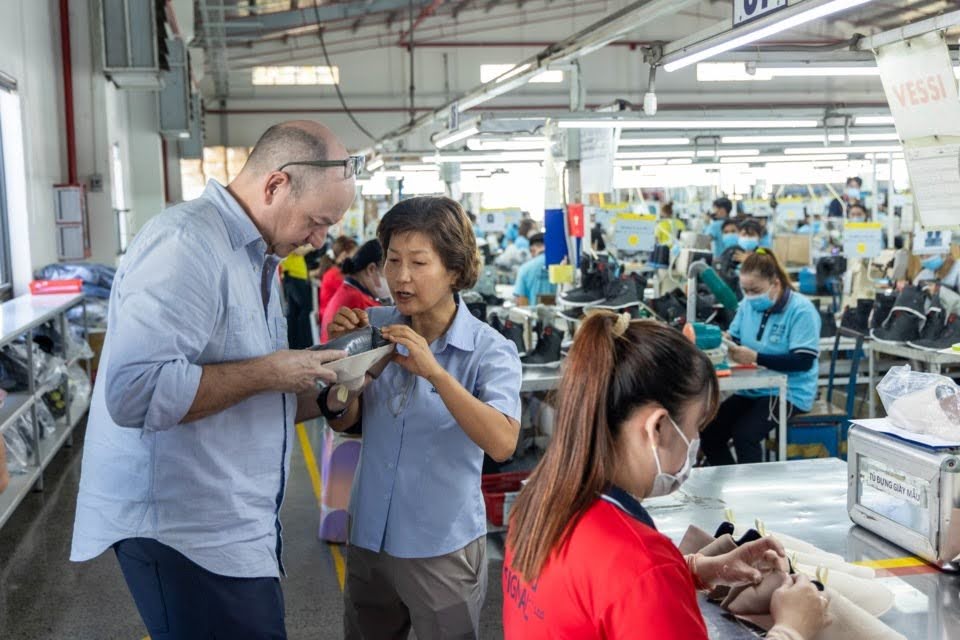
Trade tensions push B.C. firms to shift manufacturing from China to Vietnam
Amid escalating global trade tensions and shifting tariff regimes, a growing number of Canadian companies are moving their manufacturing operations out of China to reduce geopolitical uncertainty. Vietnam, offering lower costs, relatively stable governance and wide-reaching trade agreements, emerged as a leading alternative. However, the complexities of relocation, including supply chain gaps, differences in operational efficiency and reliance on imports, have made the transition more complicated than many expected. Read more.
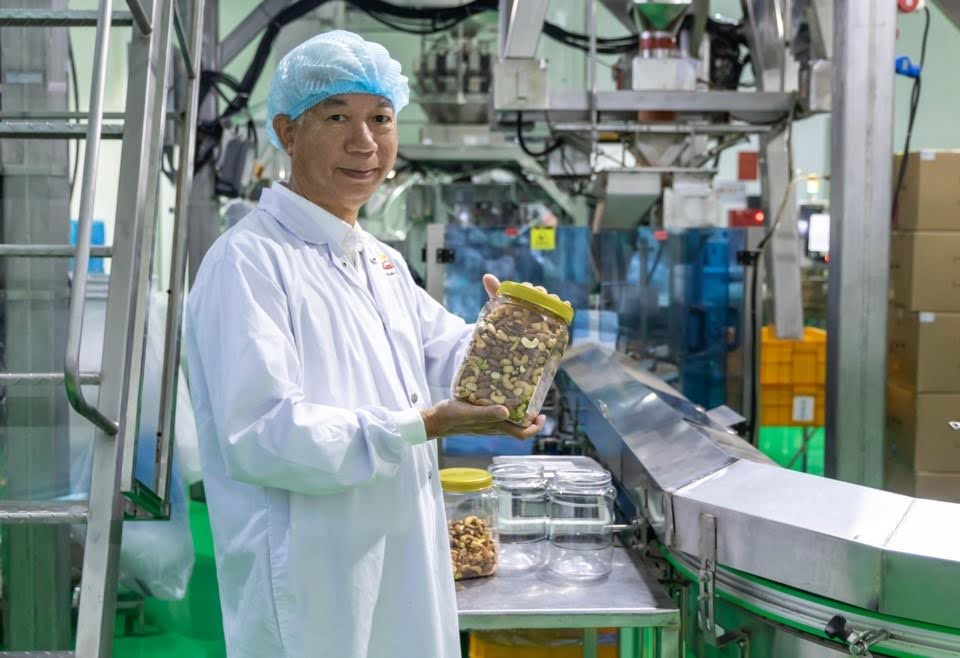
Why a B.C. nut giant is putting $340M into Vietnam manufacturing
A shifting Canada-U.S. relationship is pushing Canadian companies to look farther afield, with Vietnam being an attractive “springboard” into fast-growing Asian markets. Companies such as Dan-D Foods have already led the way, with a $340-million manufacturing expansion, one of the largest by a Canadian firm. But breaking into Vietnam comes with a steep learning curve, from navigating a very different governance system to managing labour challenges. The bigger question: are Canadian businesses too late to the Vietnam manufacturing boom? Read more.
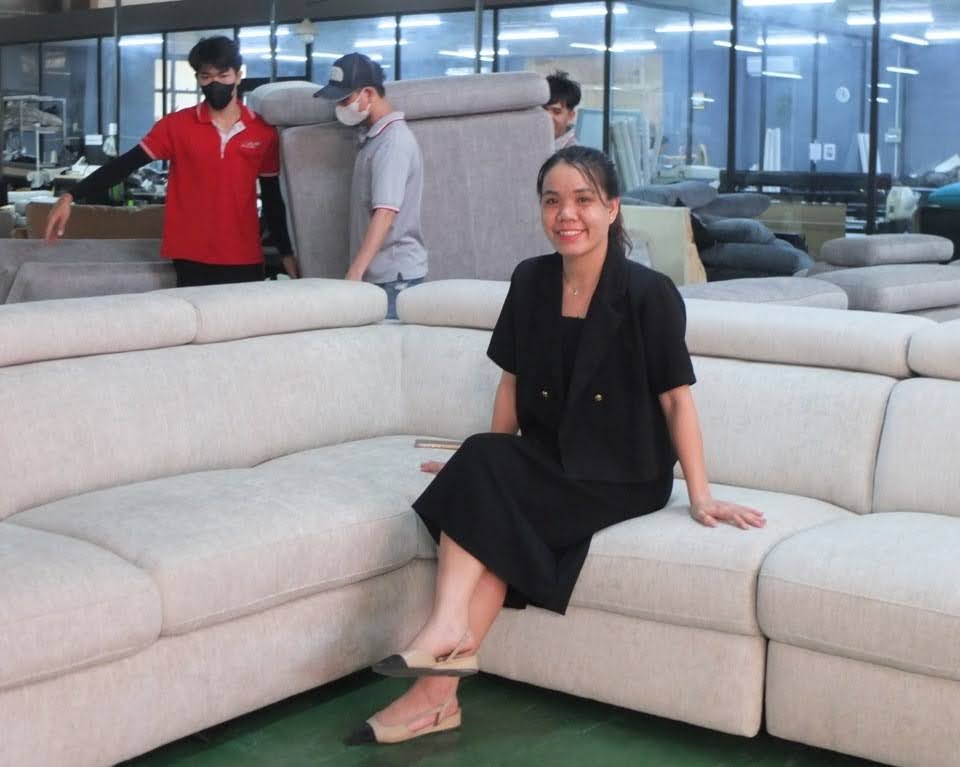
Why Canada's wood opportunity in Vietnam lies beyond Asia
As Canada's forestry sector grapples with U.S. tariffs and searches for alternative markets, Vietnam is emerging as a high-potential destination. The world’s second-largest furniture exporter has a growing appetite for imported wood. Canada has the supply; Vietnam has the demand, but the connection isn’t there—yet. Vietnam's furniture sector is not a blank-slate market but has long been dominated—and in many ways shaped—by suppliers from the U.S., China, and Europe. What will it take for Canadian softwood lumber to break in? Industry insiders say the answer lies beyond Vietnam’s borders—far from the factory floor. Read more.
APF Canada’s Media Fellowship program offers up-and-coming and established Canadian journalists the opportunity to spend time in Asia researching and preparing stories. The program aims to help Canadian journalists become better informed about this dynamic part of the world in order to write and broadcast insightfully on Asia and the Canada-Asia relationship. Visit our Media Fellowship webpage for more information.