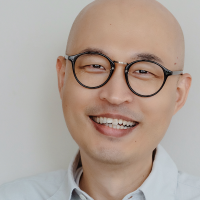
Cette série de trois notes de synthèse sur la coopération entre le Canada et la Corée du Sud en matière de sécurité technologique a été rédigée par Tae Yeon Eom et réalisée avec le soutien financier de la Korea Foundation, dans le cadre de son programme de recherche axée sur les politiques publiques.
Ces notes examinent les liens entre technologie et sécurité dans les relations canado-sud-coréennes, dans trois domaines : l’intelligence artificielle, les technologies quantiques et la sécurité des chaînes d’approvisionnement en logiciels libres.
Cette analyse arrive à point nommé. Le 6 juillet 2026, le Canada a choisi l’entreprise allemande ThyssenKrupp Marine Systems plutôt que la sud-coréenne Hanwha Ocean comme fournisseur dans le cadre de son important programme d’acquisition de 12 sous-marins. Si cette décision a déçu de nombreux acteurs des relations canado-sud-coréennes, elle a aussi amené ces derniers à se tourner vers la prochaine étape de la stratégie de Séoul sur le marché canadien de la défense. Comme le souligne cette série, la valeur du partenariat technologique entre les deux pays dépasse largement un seul contrat. Elle englobe des domaines essentiels comme l’intelligence artificielle (IA), les technologies quantiques et la cybersécurité.
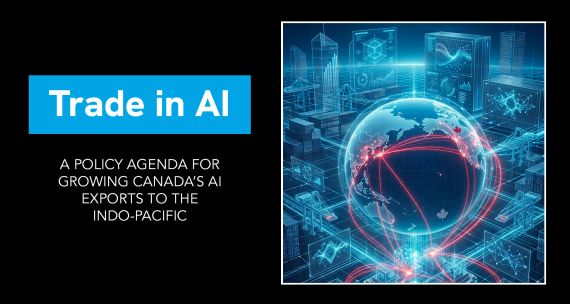
La première note, intitulée « Renforcer la souveraineté en matière d’IA de défense grâce aux partenariats », aborde l’IA militaire sous l’angle de la souveraineté cognitive, en soulignant que la maîtrise de la couche logicielle détermine les décisions sur le champ de bataille. L’auteur propose des mécanismes concrets pour approfondir la coopération : une alliance de développement de puces d’IA sans participation américaine, des normes d’architecture ouverte rendues obligatoires conjointement par les deux pays, un programme bilatéral d’échange sur les essais de sécurité de l’IA et un laboratoire Arctique-Pacifique consacré à l’IA physique. Ces mécanismes permettraient de conjuguer les forces du Canada en recherche et les capacités industrielles à grande échelle de la Corée du Sud pour en faire un atout stratégique.
La deuxième note, « Établir des normes quantiques mondiales grâce à la collaboration », porte sur un domaine où les forces du Canada en recherche fondamentale et la capacité de déploiement commercial de la Corée du Sud sont naturellement complémentaires. Selon cette analyse, l’informatique quantique finira par déjouer les méthodes de chiffrement actuelles, ce qui rendra vulnérables les communications militaires et financières qui transitent aujourd’hui sur les réseaux. La note propose une démarche vers l’établissement d’une norme de sécurité quantique canado-sud-coréenne officiellement reconnue, fondée sur les obligations de retombées industrielles liées à la défense. À mesure que la technologie gagnera en maturité, le Canada et la Corée du Sud pourront devenir ensemble les architectes d’une norme quantique mondiale.
La troisième et dernière note, intitulée« Sécuriser les chaînes d’approvisionnement en logiciels libres grâce à l’harmonisation », examine les fondements vulnérables sur lesquels reposent les initiatives en IA et en technologies quantiques. Les chaînes d’approvisionnement en logiciels libres constituent l’infrastructure invisible de cette nouvelle architecture de sécurité. L’auteur montre que ces fondements essentiels font déjà l’objet d’attaques. Par exemple, en juin 2026, un groupe lié à la Corée du Nord a compromis 144 paquets logiciels en l’espace de 88 minutes, illustrant la rapidité avec laquelle une seule compromission peut se propager dans les systèmes des pays alliés. Pour combler cette lacune avant qu’une nouvelle intrusion ne se propage plus vite qu’elle ne peut être détectée, la note préconise la mise en place d’un mécanisme fédéré de partage de renseignements sur les menaces entre le Canada et la Corée du Sud, l’harmonisation des normes relatives aux nomenclatures logicielles et la création d’un banc d’essai conjoint de simulation d’attaque.
Dans l’ensemble, cette série propose une feuille de route concrète pour une coopération technologique canado-sud-coréenne qui renforcera la sécurité technologique des deux pays.