The year 2025 was a year of volatility, experimentation, and recalibration across Asia and Canada. Much of the volatility stemmed from U.S. President Donald Trump’s sweeping tariff agenda, which upended global trade norms and injected new uncertainty into supply chains. China, meanwhile, pressed ahead with an increasingly assertive industrial strategy, even as it contended with slower domestic growth and structural headwinds. Across the region, a politically energized Gen Z forced governments to confront long-standing governance failures. Artificial intelligence matured into a strategic technology, shifting the policy conversation from one focused on regulation to one focused on adoption. And as multilateral institutions struggled to deliver, smaller interest-based coalitions emerged as more effective platforms for regional problem-solving.
All of these shifts are happening as Canada and others are trying to keep abreast of emerging threat dynamics in a range of domains, including undersea cables, the Arctic, and space.
For Canada and Asia alike, 2025 underscored that economic security, technological leadership, and national security are no longer distinct domains — they are now deeply intertwined and mutually reinforcing. To safeguard their independence, security, and prosperity, both Canada and its Indo-Pacific partners have had to strengthen their resilience, both domestically and collectively, in an increasingly fragmented and contested global landscape.
Here are five things we learned.
1. Asia is doubling down on diversification as the U.S. and China go their own way on trade.
In 2025, the urgency with which countries pursued trade diversification went into overdrive— in Asia, in Canada, and across the global economy. The trigger was the Trump administration’s across-the-board tariffs — roughly 20 to 40 per cent for much of Asia, and even higher for China.
Even with temporary suspensions and last-minute extensions, the constant threat of new tariff rounds reverberated across markets. Several governments struck short-term deals with Washington, but these hastily arranged agreements offered little more than breathing room. The price of doing business with the U.S. grew steeper: Japan and South Korea were pressed to commit to major investment packages in the U.S., while Malaysia granted special access to its rare minerals and pledged alignment with Washington should further restrictions on China be triggered.
Unsurprisingly, many in Asia have concluded that relying too heavily on the U.S. has become strategically untenable. Nor will they find much reassurance in China. Although Beijing weathered this year’s tariff shock better than in Trump’s first term — thanks to more expansive export controls, anti-sanctions measures, and a more muscular industrial policy— it leaned further into its own form of protectionism.
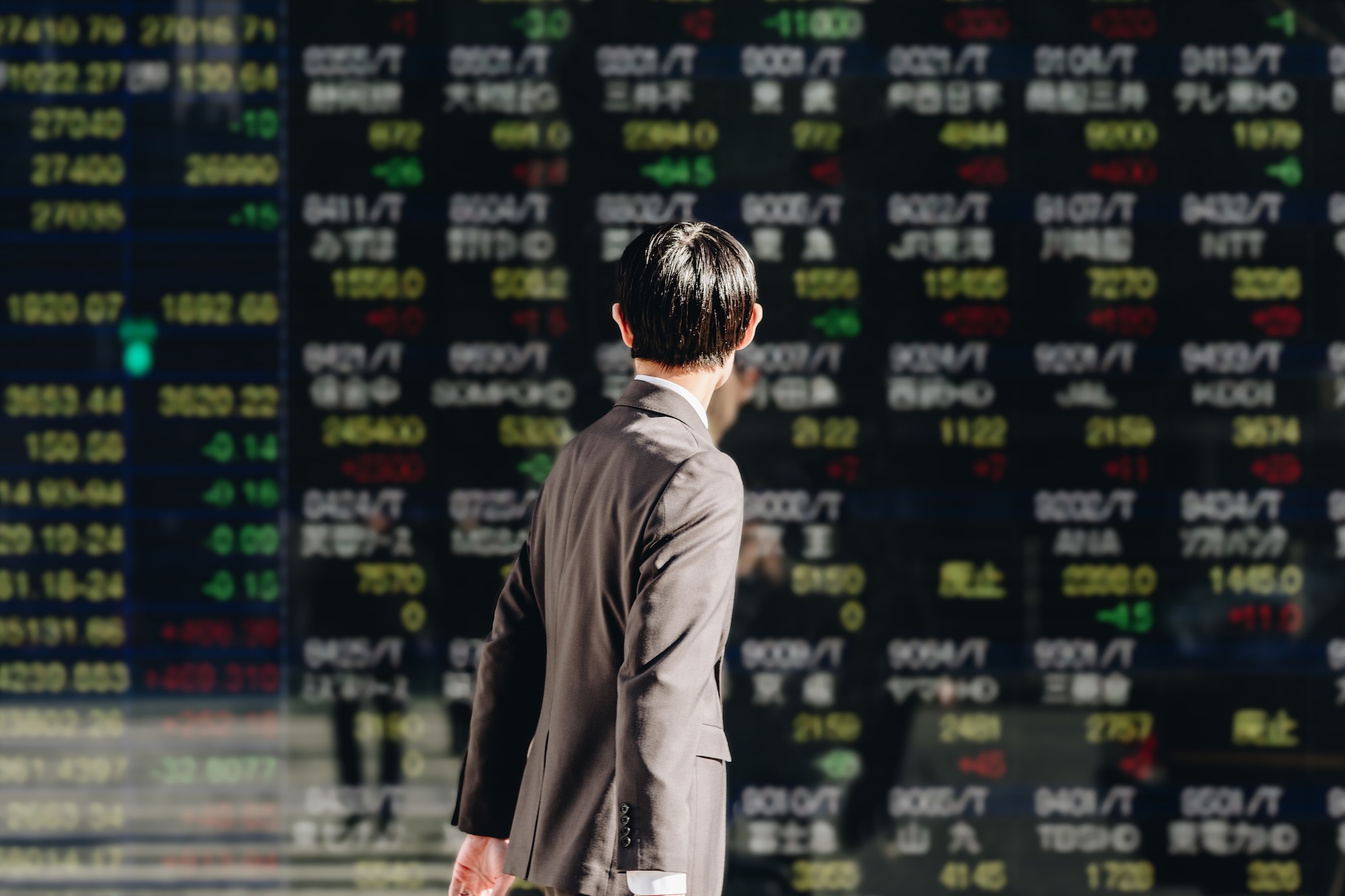
What are other economies to do in a world where both major powers are increasingly closing inwards? One answer has been to turn toward trade blocs and partnerships that exclude both the U.S. and China — platforms that offer predictability without forcing countries into either geopolitical orbit. This puts a renewed spotlight on the Comprehensive and Progressive Agreement for Trans-Pacific Partnership (CPTPP), which remains one of the few high-standard trade agreements not anchored in Washington or Beijing.
At the same time, smaller, trade-dependent countries moved to create new, flexible economic arrangements — such as Singapore’s Future of Investment and Trade (FIT) Partnership — to shape an alternative path that prioritizes openness, stability, and diversification.
It wasn’t only regional blocs that gained traction. Across Asia, governments doubled down on bilateral trade agreements as another hedge against volatility — India relaunched multiple free trade agreement (FTA) processes, Southeast Asian economies sought new partners, and countries increasingly looked to stitch together a wider web of preferential deals. Meanwhile, Canada concluded its Comprehensive Economic Partnership Agreement with Indonesia; launched FTA negotiations with the Philippines and Thailand; made substantial progress toward a Canada–ASEAN FTA; and restarted discussions on a trade deal with India. And in November, CPTPP members began exploring the possibility of stronger linkages with the European Union — an effort for which Canada, with its existing FTA, would be well-positioned to play a ‘bridging’ role.
Taken together, these shifts reflect a growing consensus: as the U.S. and China chart more protectionist paths, countries such as Canada must deepen ties with like-minded partners and strengthen the trade architectures that allow them to compete and prosper independently of great-power volatility.
2. The weaponization of supply chains has turned critical minerals into a geopolitical flashpoint.
Critical minerals are increasingly recognized for their central role in global competition. In 2025, China’s near stranglehold over global supply — especially midstream processing —exposed the world’s vulnerability to this dominance. China controls an average of 70 per cent of the refining capacity for 19 of the 20 most important critical minerals and more than 90 per cent of graphite and rare earths. From 2020–24, it was responsible for almost all the growth in global refining capacity of cobalt, rare earths, graphite, and even copper.
On October 9, 2025, in a decision that sent shockwaves through global industry, Beijing effectively banned the export of key rare earth elements and high-performance magnet materials — inputs vital for electric vehicles, wind turbines, aircraft, computers, and advanced manufacturing. While it had tightened standards or licensing requirements for these elements in the past, the scale and extra-territorial application this time around marked a new and very worrying phase in the weaponization of supply chains.
Anticipation of this vulnerability began to coalesce months earlier. The G7 rolled out its Critical Minerals Action Plan in Kananaskis, Alberta, in June 2025, providing a preliminary framework for shared standards, co-financing, and technological collaboration. The plan was subsequently endorsed by key non-G7 allies Australia, Japan, and South Korea, as well as by major economic players such as India.

There have also been domestic-level responses: the U.S., invoking national security concerns, announced that it may take direct equity stakes in domestic rare earths companies and establish price floors; Australia launched a C$1.1-billion reserve and stockpile initiative and extended financial support for midstream projects; and Japan bolstered its position through long-term offtake agreements through a major investment in a French rare-earths firm.
The vulnerabilities that China faced persisted into 2025, including its dependence on upstream imports of copper, cobalt, and lithium, and its exposure to global demand for manufactured goods. But the other reality that persisted over the past year was that, at least for the foreseeable future, China’s dominance over processing will remain unmatched, and Canada and its allies will thus not be able to avoid at least some level of dependence on it.
Nevertheless, 2025 was a useful reminder that Canada also has distinct strengths, primarily upstream and in targeted parts of midstream processing. To be seen as a reliable critical minerals powerhouse that can contribute to its allies’ resilience, it will need to do at least three things: craft and enact an industrial strategy based on clearly defined priorities; deploy the right tools — capital stacks, standards, price guarantees, and joint financing; and work within ecosystems rather than on isolated projects.
In 2025, Canada was moving in the right direction in leveraging its critical minerals strengths, but the process will be a long one and it must show its Indo-Pacific partners that it can meet their rising expectations.
3. Gen Z has become politically consequential.
One of the most intriguing and largely unexpected developments of 2025 was Gen Z’s emergence as a potent political force.
The world got a preview of this trend in 2024, when youth-led protests against the entrenched regime in Bangladesh sent its then-leader packing. This year, young people in South Asia, Southeast Asia, and elsewhere have mobilized around frustration with their governments’ impotence on issues such as inequality, corruption, unemployment, and a lack of accountability.
What’s notable about the places where these Gen Z-led protests have taken place is how disparate they are. In Asia, this includes Nepal, the Philippines, and Indonesia, and beyond the region, Morocco, Kenya, Peru, and Madagascar. Their discontent was not merely expressed online; in Nepal, protesters set fire to the parliament building and forced the prime minister to resign.
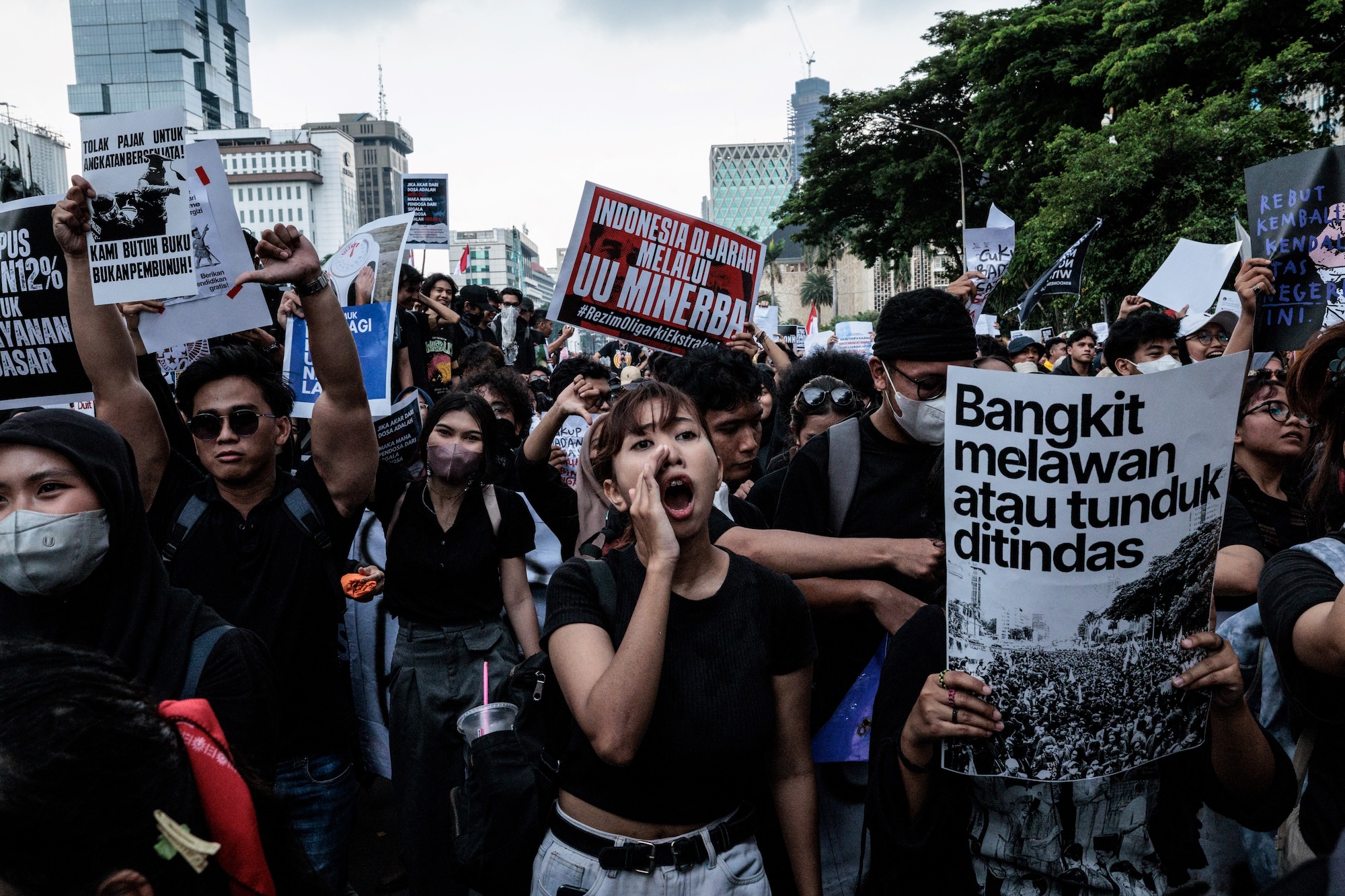
In Indonesia, they protested government corruption and entitlement and a spate of food-safety scandals. And in the Philippines, misallocated relief funds for devastating floods sparked mass demonstrations that overtook parts of Manila.
Each of these contexts had its own particularities, but the underlying dynamics of the protest movements were similar: they emerged in countries where citizens enjoy relatively high levels of political rights but have been governed by regimes that are seen as having under-delivered on income growth and providing good-quality health and education, especially for the younger populations.
These movements were not episodic; rather, they were networked and co-ordinated and were possibly a source of inspiration for peers in in other countries. That potential contagion effect could have political elites elsewhere on edge. In India and Japan, the long-dominant ruling parties have been recently put on notice, via national elections in 2024 and 2025, respectively, that they had lost touch with what voters wanted. Ruling elites in Thailand, which is on its third prime minister in less than three years, may also be concerned. In October, Thailand’s ruling party announced it would hold its next general election within six months, which will be a short window to show that it is responsive to the politically mobilized youth whose preferred party scored a victory in the 2023 election, but was denied the opportunity to govern due to the creative use of technicalities by the more established political forces.
To be a valued partner to the Indo-Pacific, Canada will need to understand the forces driving this generational shift. Engagement strategies limited to government-to-government channels risk missing the most dynamic political actors of the coming decades. Supporting youth mobility, education ties, skills partnerships, and civic exchanges will be key to building long-term relationships with these future Indo-Pacific leaders.
4. The focus on AI governance has given way to an all-out race for adoption and advantage.
In 2025, the focus of the conversations in Asia about AI shifted decisively — from concerns about safety to capability, competitive advantage, and rapid adoption. The Paris AI Action Summit in February set the tone for this shift, emphasizing accelerated deployment and practical collaboration on standards.
Across Asia, governments similarly internalized the belief that falling behind in AI would mean falling behind economically, militarily, and strategically. Major regional countries adopted or updated their national AI strategies to focus squarely on competitiveness. For example, India expanded its AI-driven public-service delivery and digital governance, Japan advanced sector-specific regulatory sandboxes, South Korea prioritized AI for defence modernization and semiconductor leadership, Singapore legislated frameworks to enable innovation while safeguarding key data and security interests, and Australia advanced AI standards tied to safety-critical systems but remained committed to deployment in defence and critical infrastructure.
The geopolitical environment accelerated the race to adoption. The U.S.–China rivalry hardened into what many analysts now describe as separate technological ecosystems, each with their own standards, supply chains, and data regimes. Countries increasingly have to manage this fragmentation while still seeking to extract advantage from both sides.
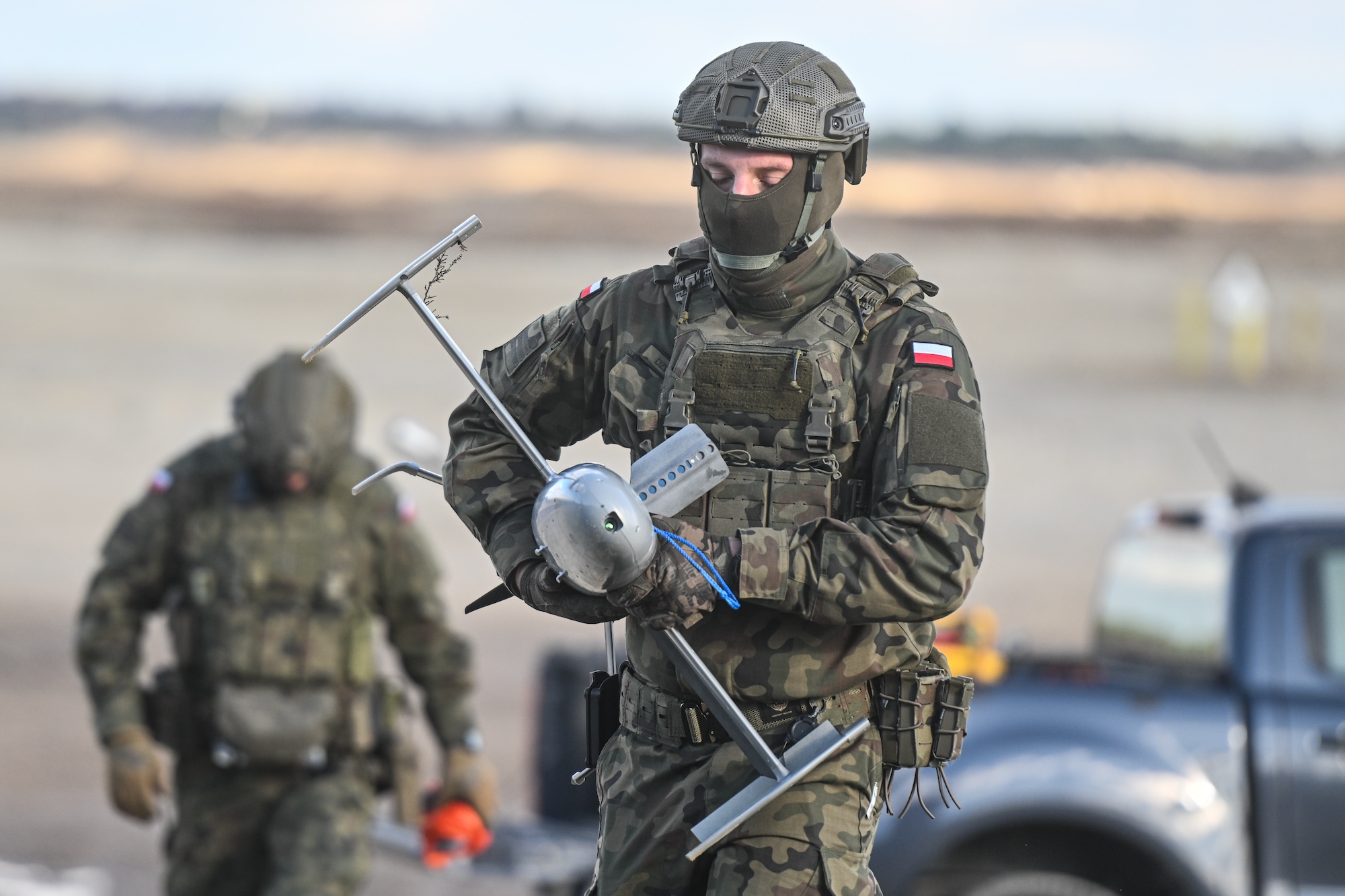
The rapid advancement of AI in surveillance, geospatial analysis, predictive modelling, cyber warfare, and autonomous systems also raised concerns about arms-race dynamics. One very tangible expression of these concerns is the evolution of unmanned drones. While the battlefields of Ukraine were the incubator for developing these new capabilities in 2025, those capabilities are being closely studied by adversaries on the Korean Peninsula and elsewhere.
For Canada, 2025 provided openings — namely through its G7 presidency — to help shape global AI governance. But conversations with Asian partners made clear that while responsible AI is valued, competitiveness is now the priority. The AI Impact Summit in India in February 2026 may provide an indication of where those conversations are headed. Regardless, Canada’s future influence in the Indo-Pacific’s AI landscape will depend on its ability to partner on compute, chips, talent, standards, and responsible deployment, not simply on regulation or principles.
5. Multilateralism fractures, while minilaterals takes centre stage.
The disappointing deliverables from this year’s COP30 conference confirmed what many had already suspected: traditional multilateralism is struggling, not just on climate issues, but also on global trade governance, digital governance, and security.
In this vacuum, minilateralism — small, interest-based groupings — have become the primary vehicle for international co-operation in the Indo-Pacific. Smaller-scale security coalitions, in particular, are proliferating: Japan, the Philippines, and the U.S. strengthened their trilateral co-operation; the Quad adapted to shifting U.S. priorities; and new arrangements formed around maritime domain awareness, undersea cable protection, and cyber forensics. India, Canada and Australia agreed to enter into a new trilateral framework for partnership on technology and innovation. Canada also deepened its security and defence ties with South Korea, the Philippines, and Indonesia, signs that it is assuming a more robust posture vis-à-vis Indo-Pacific peace and stability. Canada and several countries in the region also committed to significant increases in their defence spending and a revitalization of their defence industries.
Climate action also became increasingly regional and sectoral. Countries launched clean-energy corridors, linked carbon markets, and forged supply-chain alliances. The G7-plus critical minerals initiative exemplified the gravitational pull toward these narrower, more functional partnerships focused on resilience and standards. Across a range of policy domains, the Indo-Pacific’s emerging architecture is increasingly polycentric, built around overlapping coalitions rather than universal frameworks.
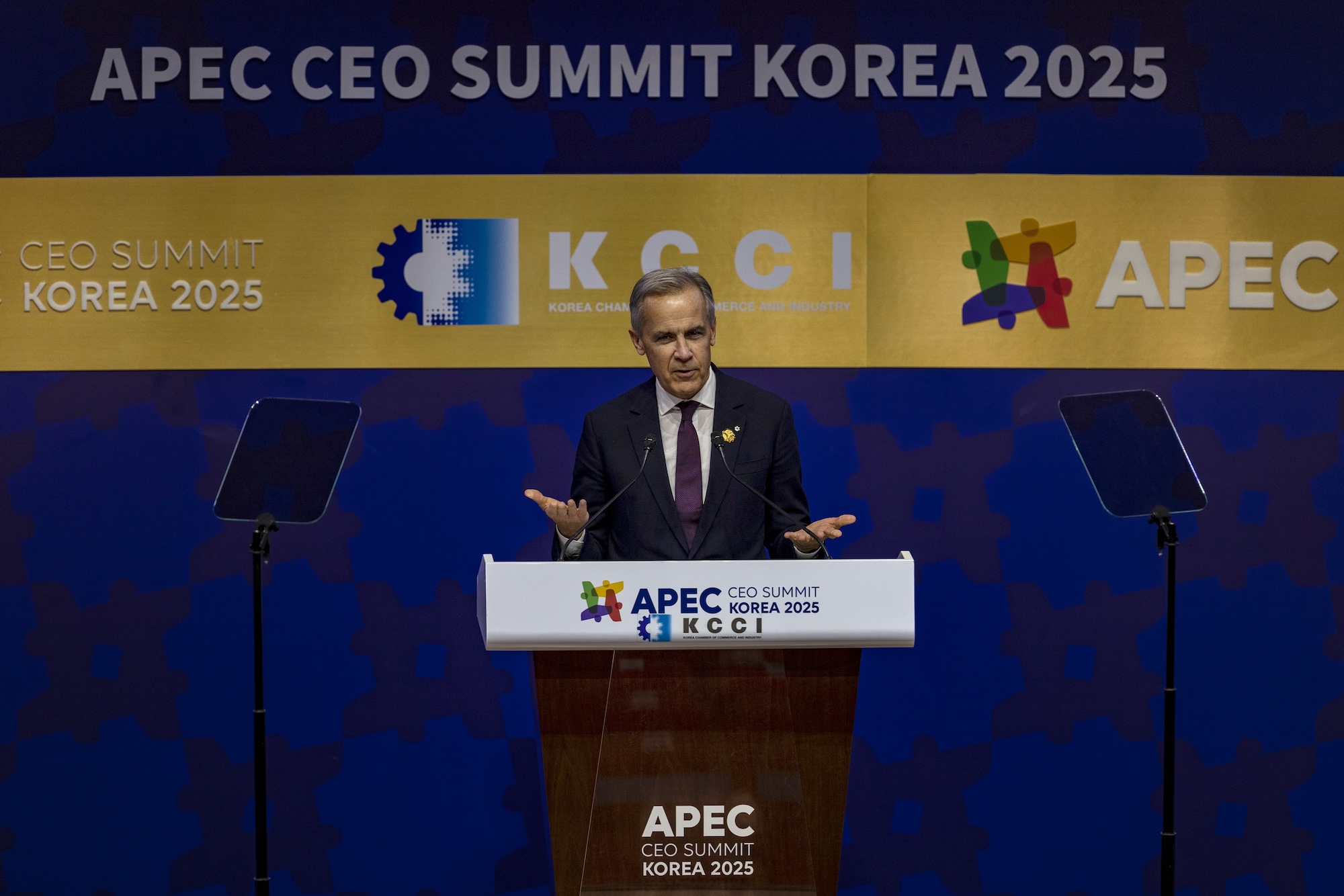
For Canada, this trend underscores the need to be both more present in the region and strategic in how it engages with the changing architecture. Its influence will depend not only on more regularized participation but on its ability to bring niche capabilities — such as those related to maritime awareness, subsea cable security, critical mineral expertise, digital governance, AI, quantum, and clean energy solutions.
Meanwhile, rising flashpoints underscored the region’s vulnerability of relying on a single security guarantor — the U. S. These flashpoints include the most significant Chinese military exercises around Taiwan in years, China’s continued harassment of Philippine vessels in the South China Sea, and an alarming exchange of missile and drone activity between India and Pakistan after a terrorist attack in Kashmir. These incidents reinforced that strategic hedging is now as important as trade diversification.
For Canada, the shift creates opportunities but also raises expectations. In Kuala Lumpur, Singapore, Manila, and Seoul, partners signalled that they want Canada to show up — not just commercially, but strategically. The message was clear: Canada’s credibility in Asia increasingly depends on sustained engagement in economic resilience, maritime security, emerging technologies, and defence co-operation, areas where Canada made visible progress in 2025 through agreements with South Korea and the Philippines. But the bar is rising.
Conclusion
2025 was a pivotal year for Asia — and for Canada’s engagement with the region. It revealed an Indo-Pacific that is diversifying rapidly, building its own coalitions, and redefining the balance between economic opportunity and national resilience. It showed that strategic clarity, presence, and credible commitment are now essential for any country seeking meaningful partnerships in the region.
For Canada, the opportunity lies in matching Asia’s momentum: deepening partnerships, accelerating action on critical minerals and energy security, investing in defence and technology co-operation, and engaging the rising generation of leaders who will shape the region’s future. The Indo-Pacific is not waiting for global institutions to catch up — and neither can Canada.