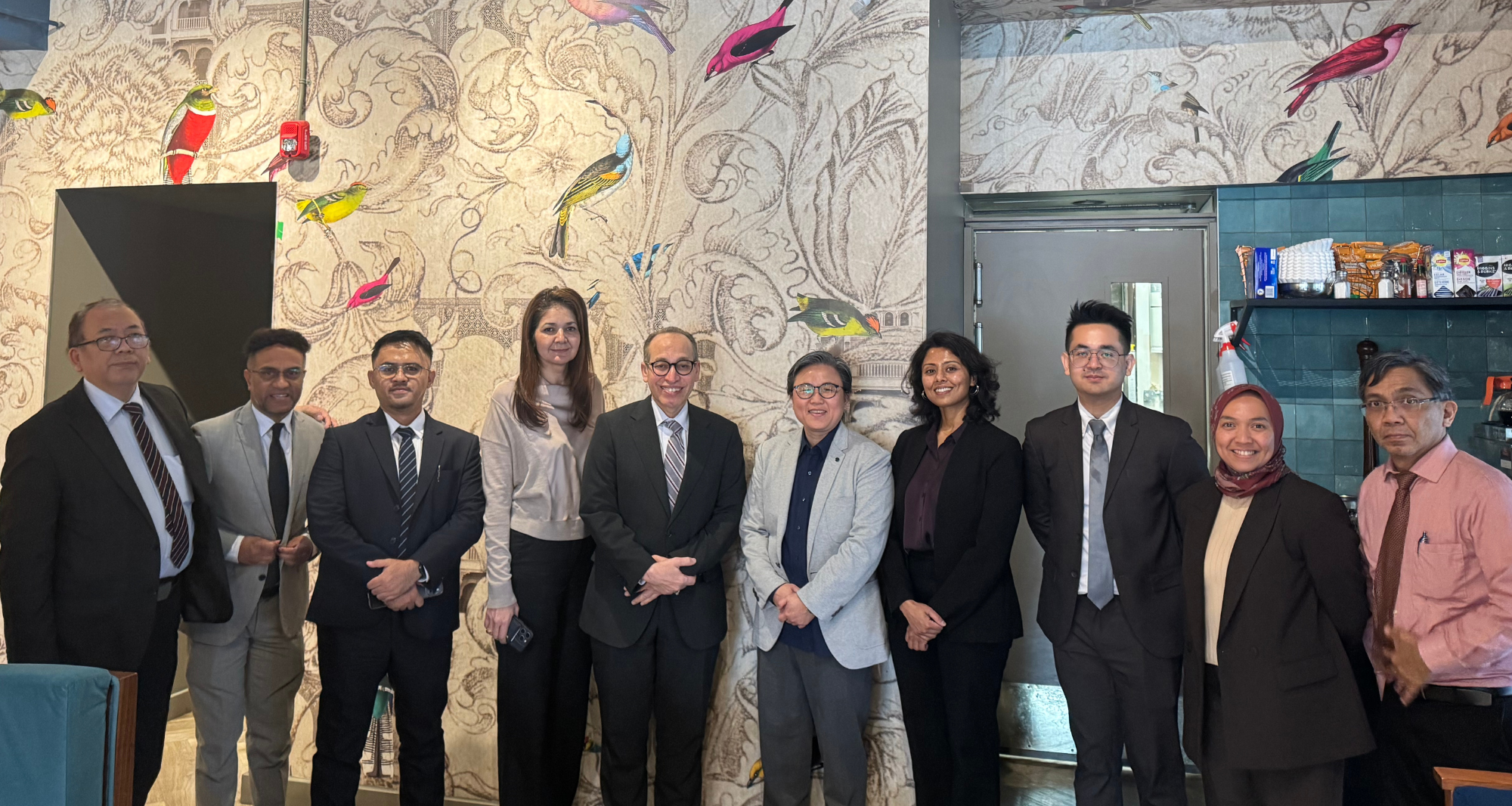
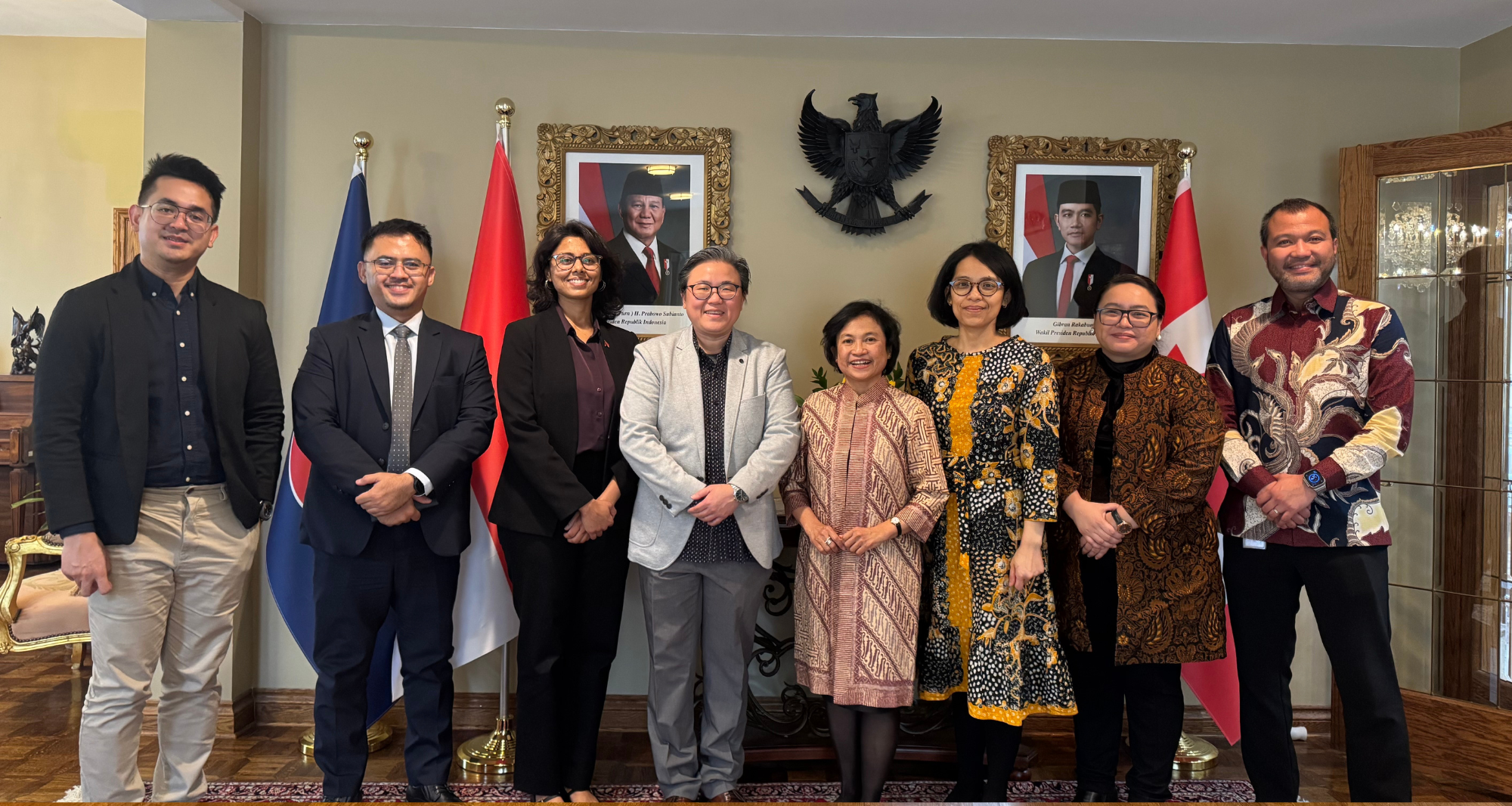
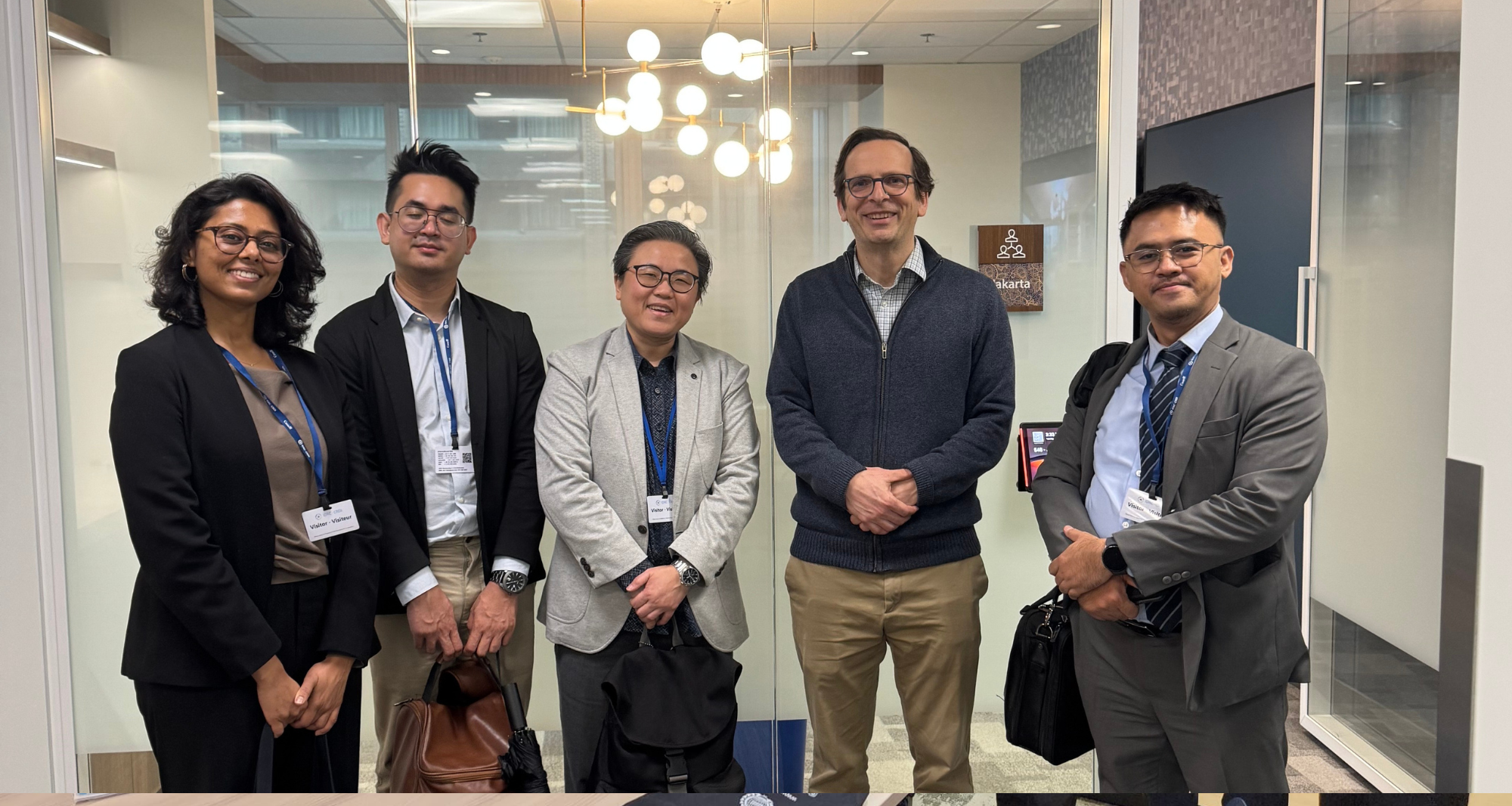
The Asia Pacific Foundation of Canada (APF Canada) hosted a delegation from the Centre for Strategic and International Studies Indonesia (CSIS Indonesia), one of Southeast Asia's premier independent think-tanks, that met with experts and stakeholders in Ottawa and Toronto from April 13–15, 2026. As part of APF Canada's Indo-Pacific Visiting Scholars Program, supported by the Government of Canada, the delegation engaged with their Canadian interlocutors on Indonesian perspectives on the changing regional order, the future of middle-power co-operation, and the opportunities and challenges in the Canada–Indonesia bilateral relationship.
The visiting delegation comprised three researchers: Dr. Lina Alexandra, Andrew Wiguna Mantong, and Muhammad Habib Abiyan Dzakwan. Their expertise spans Indonesian foreign policy strategy, defence and security, critical minerals, energy transition, and democratic governance. The visit marked the first time APF Canada’s Indo-Pacific Visiting Scholars Program has featured an institutional delegation from Indonesia and marked an important milestone in APF Canada’s developing partnership with key government and non-governmental stakeholders in Indonesia. This visit built on the momentum of APF Canada's deepening institutional ties with Indonesia, including a Memorandum of Understanding (MoU) with the Foreign Policy Strategy Agency (FPSA) and another with the Indonesian Chamber of Commerce and Industry (Kadin) in fall 2025.
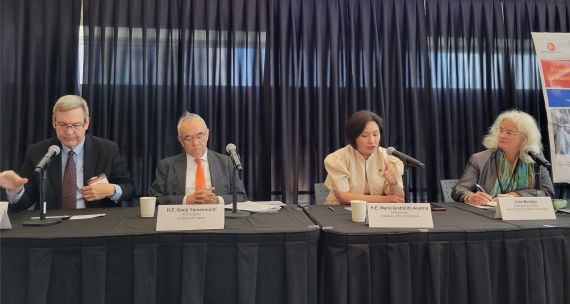
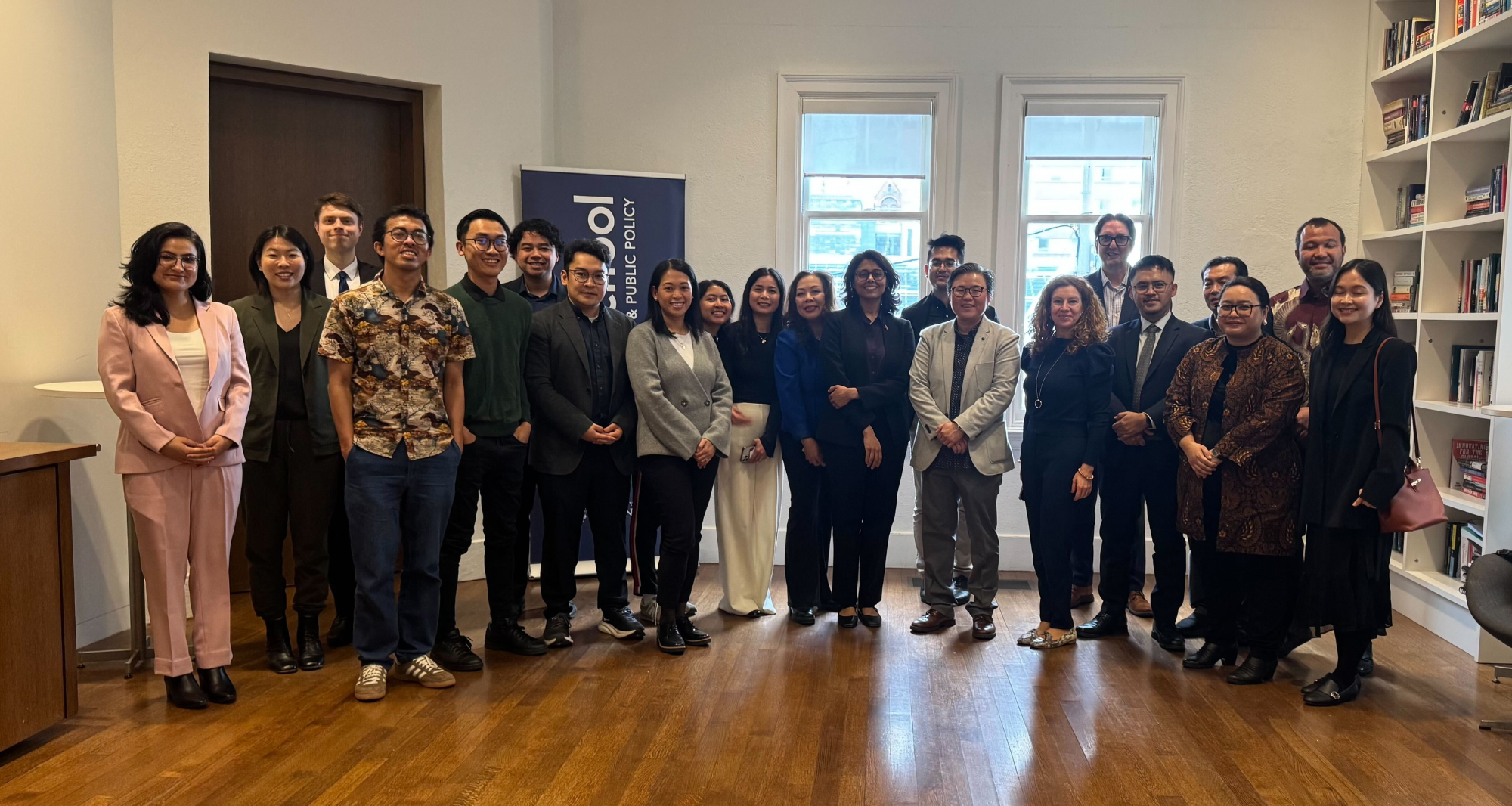
In Ottawa, the delegation met with officials from Global Affairs Canada, the Department of National Defence, Natural Resources Canada, the Privy Council Office, the International Development Research Centre, the Indonesian embassy in Canada, the Parliamentary Centre, and the Canadian International Council’s Ottawa Asia-Pacific Study Group. In Toronto, a roundtable at the Munk School of Global Affairs and Public Policy at the University of Toronto brought together academics, researchers, civil society representatives, and members of the business community, including York University’s Centre for Asian Research and the Asian Business and Management Program, the Citizen Lab at the Munk School, the Toronto Region Board of Trade, Youth for Canadian Trade Diversification, and the Indonesian diaspora and consular community.
The Canada–Indonesia relationship is approaching its 75th anniversary with a paradox at its core: decades of formal ties have yielded surprisingly little mutual understanding. APF Canada polling indicates that only 11 per cent of Canadians report knowing Indonesia well, and in the Singapore-based ISEAS Yusof Ishak Institute’s 2026 survey, Indonesian respondents ranked Canada 10th in strategic relevance among the Association of Southeast Asian Nations’ (ASEAN) 11 dialogue partners. These figures reflect both the limits of public diplomacy to date and fundamental questions about investment, knowledge production, and institutional commitment — and they underscore the scale of the opportunity this program is designed to help address. Against that backdrop, the tour surfaced a set of interconnected themes that cut across the bilateral relationship.
Momentum in the bilateral relationship
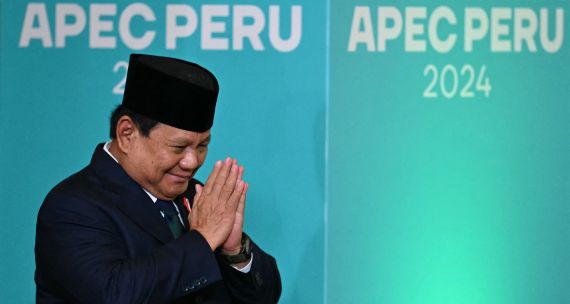
A consistent theme across the three days of discussion was the sense that the Canada–Indonesia relationship is entering a more substantive phase. Indonesian President Prabowo Subianto’s visit to Canada in September 2025 reflected this ambition, and negotiations are underway on a 2026–29 Canada–Indonesia Plan of Action, a bilateral roadmap outlining shared priorities and commitments across areas such as trade, defence, and people-to-people ties. Canadian Prime Minister Mark Carney's framing of foreign policy was noted to have shifted from an emphasis on soft power and shared values toward a more strategic focus on economic resilience and defence and security co-operation — a recalibration mirrored, to some extent, by Indonesia's own pragmatic foreign policy posture under Prabowo. The Canada–Indonesia Comprehensive Economic Partnership Agreement (CEPA), signed in September 2025, was identified as a key mechanism for unlocking deeper commercial, trade, and investment linkages.
Questions were raised during the roundtable about the durability of Canada’s current engagement, namely, whether the recent increase in Canadian attention to the Indo-Pacific reflects a genuine and lasting strategic shift or is primarily a response to the disruptions introduced by the return of the administration of U.S. President Donald Trump and intensifying great-power competition. Several participants pushed back on the premise of impermanence, saying the disruptions have produced more than a policy pivot — the psychological and strategic recalibration now underway in Canada is a whole-of-society effect, analogous in some ways to how the COVID-19 pandemic reshaped thinking about resilience and supply-chain vulnerability. Canada has been forced to seriously reckon with the costs of over-reliance on a single partner and that reckoning is unlikely to be reversed by a change in presidential administrations in the U.S.
Good intentions, however, are not sufficient. Canada needs institutional capacity, sustained funding, and a willingness to invest in long-horizon programs.
Navigating great-power competition as middle powers
Indonesia's free and active foreign policy principle — its longstanding posture of non-alignment — was a recurring reference point, as was the growing difficulty of sustaining that posture as economic interdependence becomes increasingly weaponized by the great powers. The discussions drew a useful distinction between diversification and decoupling: Indonesia's approach is less about decoupling from China than about upgrading its economic position while preserving strategic autonomy. Canada's experience with the weaponization of trade was seen as directly relevant to Indonesia's situation, and as a basis for genuine solidarity. The fundamental challenge of middle-power co-operation was framed as a collective action problem: middle powers cannot compel great powers to change but can build frameworks that raise the cost of unilateral action.
Carney’s speech at Davos in January 2026, which called for greater strategic realism and urged middle powers to invest in their own capabilities and coalitions, was widely seen as articulating a shared instinct: that countries like Canada and Indonesia have a meaningful stake in shaping a more balanced and rules-based international order, even as the institutions designed to uphold that order come under pressure. Indonesia brings unique assets to this conversation. As the world’s fourth-most populous country, the largest Muslim-majority democracy, a former G20 chair, and the host of the ASEAN Secretariat, Indonesia occupies a pivotal position in the Indo-Pacific. For Canada, Indonesia is an anchor partner and an economy with which Canada’s complementarities are substantial.
For middle-power co-operation to gain traction, however, Canada must be attentive to Indonesia’s core national interests — the energy transition, food security, defence capacity, digital governance, and critical minerals — rather than assuming goodwill alone will be sufficient. Engaging seriously with Indonesia’s strategic culture, including its commitment to non-alignment and the legacy of the 1955 Bandung Conference and the Global South tradition it helped define, will be essential for making bilateral co-operation genuinely reciprocal rather than asymmetric.
Defence and maritime security
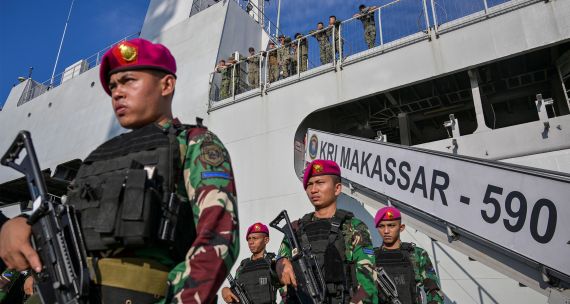
Indonesia was affirmed as a priority country under Canada's 2022 Indo-Pacific Strategy, and both sides envision a comprehensive bilateral relationship that extends beyond trade and investment under CEPA — as evidenced by the Military Cooperation MoU signed in August 2025 and a senior-level bilateral defence dialogue expected to take place later this year.
Maritime security was mentioned as a natural area of alignment: Indonesia's geography, with the world's second-longest coastline, makes sea lanes and coast-guard capacity central concerns, and Canada, with the world's longest coastline, identified its Maritime Domain Awareness capability as a practical area for collaboration. Women, Peace and Security, peacekeeping, and disaster relief — including drone technology for disaster response — were identified as core areas of further co-operation.
Building trust and working-level relations between the two armed forces was also highlighted, with military training co-operation and people-to-people exchanges between the two militaries seen as foundational to a deeper defence relationship; Canada’s Military Training and Cooperation Program, including cadet exchanges, was cited as a concrete vehicle for this co-operation. Indonesia's substantial peacekeeping contributions were also noted as an under-recognized dimension of the bilateral relationship.
Critical minerals, nuclear energy, and the clean energy transition
Sectoral co-operation on resources and energy was discussed as one of the most concrete areas of bilateral opportunity. On critical minerals, the Geological Survey of Canada was identified as a vehicle for collaboration through volcanic deposit mapping and scaled mining development. Indonesia holds significant reserves of nickel and other minerals critical to the global energy transition, while Canada brings expertise in responsible mining practices, regulatory frameworks, and clean technology; participants noted that Canadian companies must demonstrate a genuine commitment to internalizing environmental and social costs if engagement is to be credible.
On nuclear energy, Indonesia is actively seeking small modular reactor solutions, and Canada’s CANDU (CANada Deuterium Uranium) reactor technology — a Canadian reactor known for its ability to use natural, instead of enriched, uranium as fuel — was a substantive topic of discussion. Nuclear co-operation was also mentioned as a compelling case study in the logic of a long-term partnership: a reactor is a century-scale asset requiring refurbishment cycles, workforce development, uranium supply chains, and sustained technical collaboration, making it a natural hedge against short-term political cycles.
Canada’s significant liquefied natural gas (LNG) export potential was also discussed as a concrete opportunity for the bilateral relationship, with infrastructure bottlenecks on the Canadian side — rather than supply constraints — identified as the key challenge; LNG Canada’s 2028 export terminal and the recently completed TMX Pipeline are signals that this is beginning to change.
Digital governance and emerging technology — including data sovereignty, platform regulation, and AI governance — were raised as a new frontier where alignment on norms could contribute to middle-power coalition-building.
Democratic governance, disinformation, and foreign interference
Democratic governance and its vulnerabilities were a recurring theme. Concern was expressed about Indonesia’s democratic trajectory, with some noting that even as the bilateral relationship becomes more pragmatic, the democratic dimension cannot be treated as secondary. For Canada, which has made democratic values a pillar of its Indo-Pacific engagement, this is both a matter of principle and credibility.
On disinformation, there was broad agreement that it represents one of the most significant challenges facing both democracies, with external actors, including India, Russia, the U.S., and China, identified as sources of concern. Disinformation in Indonesia first gained traction in the context of radicalization, and a social media ban for Indonesians under the age of 16 is under active consideration.
Discussions also raised the growing concern about foreign interference masked as development assistance. The tension between protecting democratic institutions and the risk of over-securitization — whereby governments suppress legitimate discourse by labelling it as foreign interference — was acknowledged as a shared challenge requiring careful navigation. Local empowerment at the grassroots level was consistently identified as central to democratic resilience.
People-to-people ties and the diaspora
Several engagements pointed to the under-leveraged potential of the Indonesian diaspora in Canada and of academic and educational linkages more broadly. The diaspora numbers approximately 26,000 — just 0.06 per cent of the Canadian population — and the number of Indonesian students pursuing graduate degrees at Canadian universities remains relatively small. Indonesia's longstanding connection to McGill University through Islamic studies was cited as an example of the kind of people-to-people infrastructure that has quietly sustained the relationship. Structural gaps in academic and business-to-business engagement were identified as areas requiring deliberate investment.
A robust challenge was raised, however, to the reflex of treating people-to-people engagement as the primary answer to the relationship’s deficits. Symbolic exchanges, food festivals, and occasional scholarship programs, while valuable, will not move the needle. What is needed is a different quality of engagement: one that operates at the level of ideas, builds shared analytical frameworks, and connects people positioned to shape policy and investment decisions.
Young Canadians with Indonesian heritage and cultural fluency represent an under-leveraged national asset — possessing language skills, networks, and contextual knowledge that take career-long postings to acquire through traditional channels — and must be systematically developed and deployed as a strategic priority. If Canada is serious about generating real trade flows and investment, it must treat this cohort as a structural priority, not a secondary one. The role of youth voices in advocating for trade diversification was also raised in discussions.
Canada also needs sustained investment in knowledge production about Indonesia, including Bahasa Indonesia language training, graduate research support, and serious engagement with Indonesia’s own rich tradition of non-aligned and Global South thinking. Australia and the U.K., for example, have built a durable influence in Indonesia by embedding themselves at the level of ideas and institutions.
Looking ahead
CSIS Indonesia’s engagements in Canada helped to deepen mutual understanding of the two sides’ foreign policy priorities at a moment of significant momentum in Canada-Indonesia relations and demonstrated that the foundation for a more substantive relationship exists — in shared values, complementary economies, and a growing recognition on both sides that the relationship deserves investment commensurate with its potential.
Immediate priorities include finalizing the new 2026–29 Plan of Action; deepening sectoral co-operation on critical minerals, nuclear energy, and clean energy; building the defence dialogue toward ministerial level; and investing in the academic, educational, and people-to-people infrastructure that will make the relationship durable.
CSIS Indonesia is a key institutional partner for APF Canada in building that foundation, and this tour marks the beginning of a more sustained and programmatic engagement between the two organizations.
- Edited by Vina Nadjibulla, Vice-President Research & Strategy, Erin Williams, Director, Programs, and Ted Fraser, Senior Editor, APF Canada.